4 foods that can aid in reversing hair loss
Food

4 foods that can aid in reversing hair loss

Everyone loves their luscious locks, and even when people— men and women alike — find too many errant strands of hair on their clothes, it becomes an instant cause of worry. No matter how many appointments you have with your hairdresser or the popular hair products you use, unless you address the primary cause of the hair loss, you will continue running helter-skelter looking for a way out from this tangled situation. Though certain causes of hair loss such as heredity or treatments like chemotherapy are unavoidable, other causes such as stress or hormonal changes can be controlled. Also, there are instances when hair loss is triggered by a deficiency of one or the other nutrients in the body. In such cases, major changes to the diet can help reverse the hair loss, and pretty soon you can brush your hair without having strands of hair sticking to the hairbrush. The nutrients that ensure that your hair remains thick and strong are proteins, iron, B vitamins, omega-3 fatty acids, zinc, selenium, magnesium, and vitamin D. There are several foods that are rich in these nutrients and consuming them on a daily basis will ensure that the hair loss is reversed.
Read More

Stages and types of menopause
Women's Health

Stages and types of menopause

Menopause is a normal part of aging. It simply means the end of a woman’s menstrual cycle. Medically speaking, it is the time when a woman’s ovaries stop producing eggs for reproduction. As a result, there is a decline in the progesterone and estrogen hormones. Menopause usually occurs in a woman’s late 40’s to early 50’s. Women in our country have an average age of 52 years. There are three stages of menopause: Perimenopause The period of 12 months before menopause is termed as perimenopause. It is the time when a woman can still become pregnant even with erratic periods. Hence, it is advised to use a form of birth control until one year after the last period. Menopause As mentioned above, most women experience menopause at the age of 51 to 52. Menopause is usually confirmed after the woman has missed her periods for 12 straight months without experiencing pregnancy. The transition from perimenopause through menopause to post-menopause can take at least three years. Postmenopause It starts after one year has passed since the last menstrual cycle. Other symptoms such as elevated heart rate and insomnia might become common symptoms. Due to a decrease in estrogen, there is an increased risk of heart disease, osteoporosis, and osteopenia.
Read More
Symptoms, prevention, and home remedies of upper respiratory infection
Asthma & Allergy

Symptoms, prevention, and home remedies of upper respiratory infection

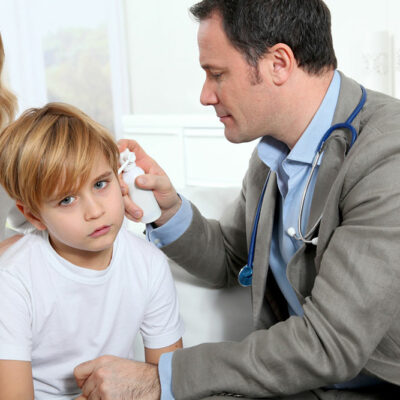
Upper respiratory infection or URI is a common viral infection that affects the throat, nose, and airways. The nasal cavity and the nostrils also get blocked when a person gets URI. It has been observed that adults may get upper respiratory infection twice to thrice a year, whereas children may get it frequently due to a developing immune system. People often experience URI during the seasons of winter and fall. Let us take a closer look at the symptoms, causes, home remedies, and preventive measures of URI. Signs and symptoms of upper respiratory infection It is advisable to keep an eye on the warning signs and symptoms of upper respiratory infection. Here are some of the most common signs of the condition: Excess mucus Mild fever, a common sign in children with upper respiratory infection Coughing Discomfort in the nasal passages A runny nose Sneezing Nasal congestion Pressure and pain behind the face A sore throat Scratchy throat There are some less common signs and symptoms of upper respiratory infection and these are: Body aches Itchy eyes Bad breath Loss of sense of smell A headache Natural home remedies Apart from the prescribed medications that your doctors suggest, there are some natural home remedies that can help provide relief from upper respiratory infection.
Read More
Cold and cough in children – Home remedies and prevention tips
Wellness

Cold and cough in children – Home remedies and prevention tips

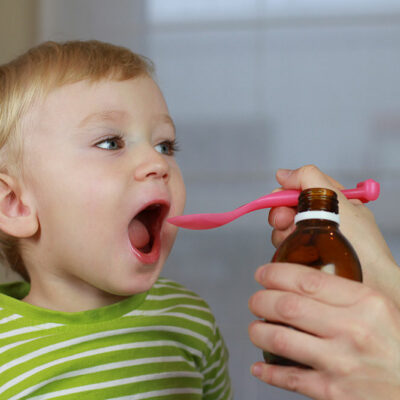
Cold and cough are the signs of a common viral infection that can affect children and adults. There are over 200 known and unknown viruses that can lead to these infections. The symptoms of a common cold and cough can be confusing to identify as people could mistake them for the signs of allergies and the flu. The causes, symptoms, and risk factors of a common cold are more or less similar for adults and children. However, parents must exercise caution when it comes to treating and managing its symptoms in young children and toddlers. It is imperative to be aware of the possible side effects of various remedies to avoid any health complications. One must consider a variety of factors before administering home remedies to children. Young children must not be given any over-the-counter (OTC) cold and cough medications without consulting the child’s pediatrician or family doctor. Each child may react differently to the same dose of a medication. Thus, it is not advisable to administer even small amounts without the knowledge of a certified medical professional. One must avoid the use of OTC medications for children up to the age of 6 years. Some home remedies to provide relief from cold and cough in young children are:
Read More
Know about the causes and risk factors of narcolepsy
Sleep Disorders

Know about the causes and risk factors of narcolepsy

Narcolepsy is a long-term, rare brain disorder. This condition causes a person to fall asleep suddenly at inappropriate times. It does not have any long-term or serious health issues; however, it does impact a person’s everyday life and makes it difficult to cope with these problems emotionally. The chemical in the brain that is known to regulate sleep is known as hypocretin. Most cases of narcolepsy are caused due to the lack of the same. This deficiency is mainly caused due to the immune system mistakenly attacking parts of the brain that are responsible for the production of hypocretin. Apart from the lack of hypocretin, there are other causes of narcolepsy as well and these are: Problems in the immune system Antibodies are released by the body o destroy the organisms and toxins that carry disease. When the antibodies mistake healthy tissues and cells as a threat, it is known as the autoimmune response of the body. It was found that people who have been diagnosed with narcolepsy produce antibodies against a protein called trib 2. Trib 2 is produced by the same area of the brain that is responsible for the production of hypocretin. Since hypocretin is responsible for arousal, wakefulness, and appetite, a lack of hypocretin means the brain is not able to regulate sleep cycles like usual.
Read More
An overview of sinus infections
Asthma & Allergy

An overview of sinus infections

Medically termed as rhinosinusitis, a sinus infection is a common condition where the air cavities in the bone situated around the eyes and nose get inflamed. There are two forms of sinusitis, that is, acute or chronic sinusitis. These are caused due to bacterial, fungal, or viral infections. Acute sinusitis persists for a brief period, roughly less than 4 weeks. It is characterized by signs and symptoms such as facial pain, stuffy and runny nose, cough and congestion, and loss of smell. Dental pain, bad breath, fatigue, and fever are some additional signs of this condition. Conversely, chronic sinus infections last for more than 12 weeks and tend to recur. A nasal blockage, feeling of congestion and fullness in the face, a pressure in the ears, fever, pus in the nasal cavity, a runny nose, and discolored drainage from the nose are some common signs of chronic sinusitis. One may also experience tooth pain, foul-smelling breath, and headaches. Adults are more likely to have sinus infections if they smoke, have a common cold, blocked drainage ducts, nasal polyps, deviated septum, tooth infections, and immune system issues that require them to consume immunosuppressants. On the other hand, allergies, pacifiers, passive smoking, injuries to the nose, and illness spread from other children at school or daycare could cause a sinus infection in kids.
Read More
Here’s what you need to know about vaccinations
Wellness

Here’s what you need to know about vaccinations

The body’s immune system plays a vital role in fighting diseases, and in most cases, it is able to do this job successfully. However, certain types of pathogens can overpower the immune system, causing severe illnesses. Typically, the infections that the body hasn’t encountered before are more likely to cause issues. Here’s where vaccinations come into the picture. It is a preventive measure that trains the immune system in advance so that it can identify and eliminate any harmful bacteria and viruses that attack the body. Vaccinations have helped medical professionals tackle and eradicate some life-threatening diseases, such as polio and measles, from most parts of the world. It is essential for one to get immunized, not just to protect themselves but also the people around them. This concept is termed as herd immunity, where widespread vaccinations lower the chances of spreading the disease to a susceptible individual. How do vaccinations defend the body? The immune system is made up of several antibodies that detect and get rid of any damaging pathogens. However, if the pathogen is new, the body might find it difficult to recognize the invader. Vaccinations teach the immune system to discover and isolate new diseases, by exposing the body to a safe version of the pathogen.
Read More
Effective treatments and home remedies for dry mouth
Oral & Multiskeletal

Effective treatments and home remedies for dry mouth

Dry mouth or xerostomia is a condition where the mouth’s salivary glands can’t make enough saliva. Apart from the unpleasant dry feeling in the mouth, this condition can cause trouble while chewing and swallowing food, bad breath, loss of taste buds, and a sore throat. Dry mouth can be a consequence of aging, long-term use of certain medications, certain types of health conditions, cancer treatment, consumption of alcohol and tobacco, and recreational drug use. It is crucial to address this condition because its symptoms can further aggravate and lead to complications such as tooth decay, mouth sores, mouth infections, poor nutritional absorption, and more. Diagnosis and treatment To zero down the cause of dry mouth, the doctor will go through one’s medical history as well as the medications the person is taking. They will also examine the mouth and might recommend some blood exams and imaging tests to determine the amount of saliva produced. If the doctor suspects that one’s dry mouth is a result of Sjogren’s syndrome, then they will extract a tiny sample of the tissue from the patient’s salivary glands and send it for further analysis. The cause of this condition defines its treatment. If the root cause of dry mouth is consistent use of medications, then the doctor will either adjust the dosage or switch to another variety of drugs.
Read More
Importance of Prenatal vitamins
Wellness

Importance of Prenatal vitamins

For a healthy pregnancy, women should ensure that their body gets the right amount of nutrition. While following a wholesome diet is always a good idea, it might not be enough to keep up with the growing needs of the baby. Therefore, it is wise that women start taking prenatal vitamins before they conceive. This will help the body recover from any nutritional insufficiencies, making the mother stronger to weather any rapid hormonal and physical challenges during the pregnancy. Prenatal vitamins contain several types of vitamins and minerals but have a higher content of calcium, folic acid, iodine, and vitamin D as they are essential for the baby’s growth and development. Folic acid helps prevent neural tube defects that can cause severe anomalies such as spina bifida and anencephaly. Iron, on the other hand, helps amplify the production of red blood cells. Likewise, for developing stronger bones, babies will require adequate levels of calcium and vitamin D, especially in the third trimester. How to choose the best prenatal vitamins? There are multiple brands offering prenatal vitamins, however, women should specifically look for products that not only have the essential vitamins for pregnancy but also nutrients such as vitamin A, C, and E, copper, magnesium, zinc, iodine, and omega fatty acids.
Read More
Understanding the causes and symptoms of hyponatremia
Hormones

Understanding the causes and symptoms of hyponatremia

A common electrolyte disorder, hyponatremia is triggered when the sodium levels in the bloodstream are too low. It is imperative for the bloodstream to contain the right amounts of sodium so as to control the levels of water in and surrounding the body cells. When the proportion is disrupted, the level of water rises in the body and this causes the cells to swell up. The body is then subject to suffering from a plethora of different conditions. While some are mild health conditions, some maybe even life-threatening. Causes Normally, the level of sodium in the blood must be anywhere around 135 to 145 milliequivalents per liter (mEq/L). However, when the same drops below 135 mEq/L, it is labeled as hyponatremia. It is essential to understand the different causes that lead to low sodium levels in the body when seeking the best treatment methods. Some of the reasons include: Health conditions – The health problems such as liver disease and kidney conditions can cause a disruption in the way in which the body processes fluids. This then leads to a drop in the levels of sodium. Even chronic diarrhea or vomiting can trigger hyponatremia due to the depletion of fluids in the body.
Read More